Pakistan and China issued a five-point initiative on Tuesday to restore peace and stability in The Gulf and Middle East region, calling for an immediate cessation of hostilities.
"China and Pakistan call for immediate cessation of hostilities and utmost efforts to prevent the conflict from spreading," said a statement issued following high-level talks in Beijing.
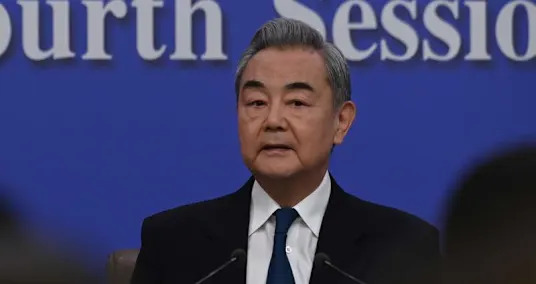
Pakistani Deputy Prime Minister and Foreign Minister Ishaq Dar is in Beijing where he met Chinese Foreign Minister Wang Yi to discuss the peace process and the role Islamabad is playing in ending a raging war in the Middle East.
"China and Pakistan support the relevant parties in initiating talks, with all parties committing to peaceful resolution of disputes, and refraining from the use or the threat of use of force during peace talks," the statement said.
Both the countries called for the protection of civilians, non-military infrastructure and security of the shipping lanes, the Strait of Hormuz and adjacent waters.
On Sunday, Pakistan said it was ready to host talks between the US and Iran after top diplomats from the region discussed the prospects of peace amid a push to bring the two sides closer to the negotiating table.
latest_posts
- 1
 Step by step instructions to Contrast Lab Jewels and Regular Ones
 - 2Select Your Go-To Bluetooth Earphones
- 3This widow influencer is using jokes to cope after her husband's death. It's OK if people don't get it.
- 4Shah Capital pushes for Novavax sale, warns of proxy fight
- 5France's Senate backs ban on social media platforms for under-15s



- Pick Your Top Method for starting the Morning
- Paraplegic engineer becomes the first wheelchair user to blast into space
- UN torture cm'tee report flags Israel for allegedly mistreating journalists, detainees, ex-MAG
- Huge Iranian missile fragments, intercepted by air defenses, lay scattered across Israel, West Bank
- The Universe of Impeccable Pearls: A Manual for Valuable Gems
- Chief of Staff Zamir warns IDF will collapse due to lack of manpower, raises 'ten red flags'
- Nordic people know how to beat the winter blues. Here's how to find light in the darkest months
- The moon and sun figure big in the new year's lineup of cosmic wonders
- Rescuers attempt to dig free whale stranded on Germany's Baltic coast